
Maja Lindqvist
Monday, May 26, 2026
Designing røøms that are alløwed tø age
We have built a culture that treats ageing as failure. The spaces worth living in are the ones that get better with time, not the ones that resist it.
[01]
Most of what we design today is built to resist time. Surfaces that cannot stain. Materials that cannot mark. Finishes that look identical on the day they are installed and the day they are replaced. We have built an entire culture around the idea that ageing is a failure of the object rather than a natural part of its life. At Skørd we have never believed that. We design rooms that are allowed to age. That is not a compromise. It is the whole point.
[02]
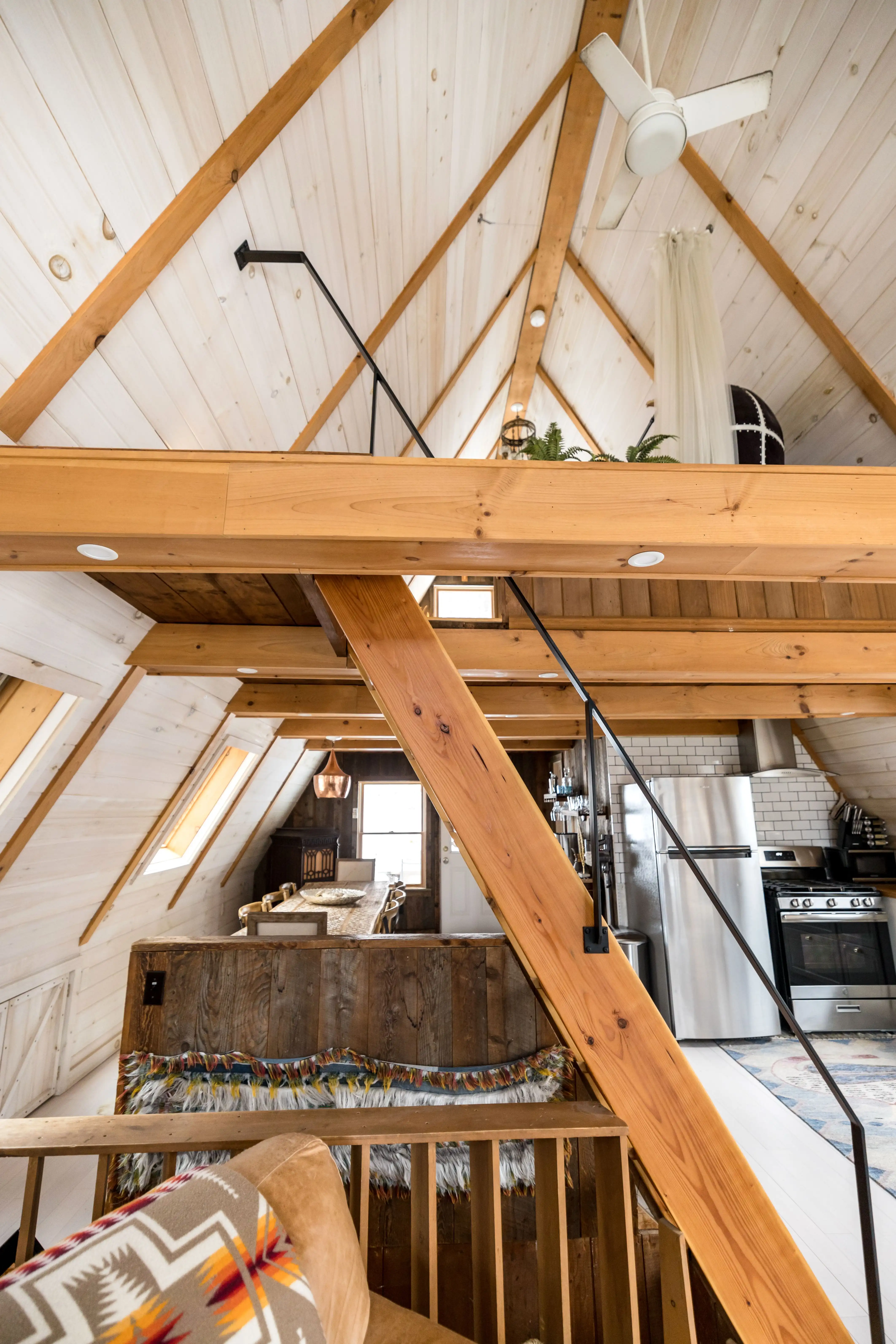
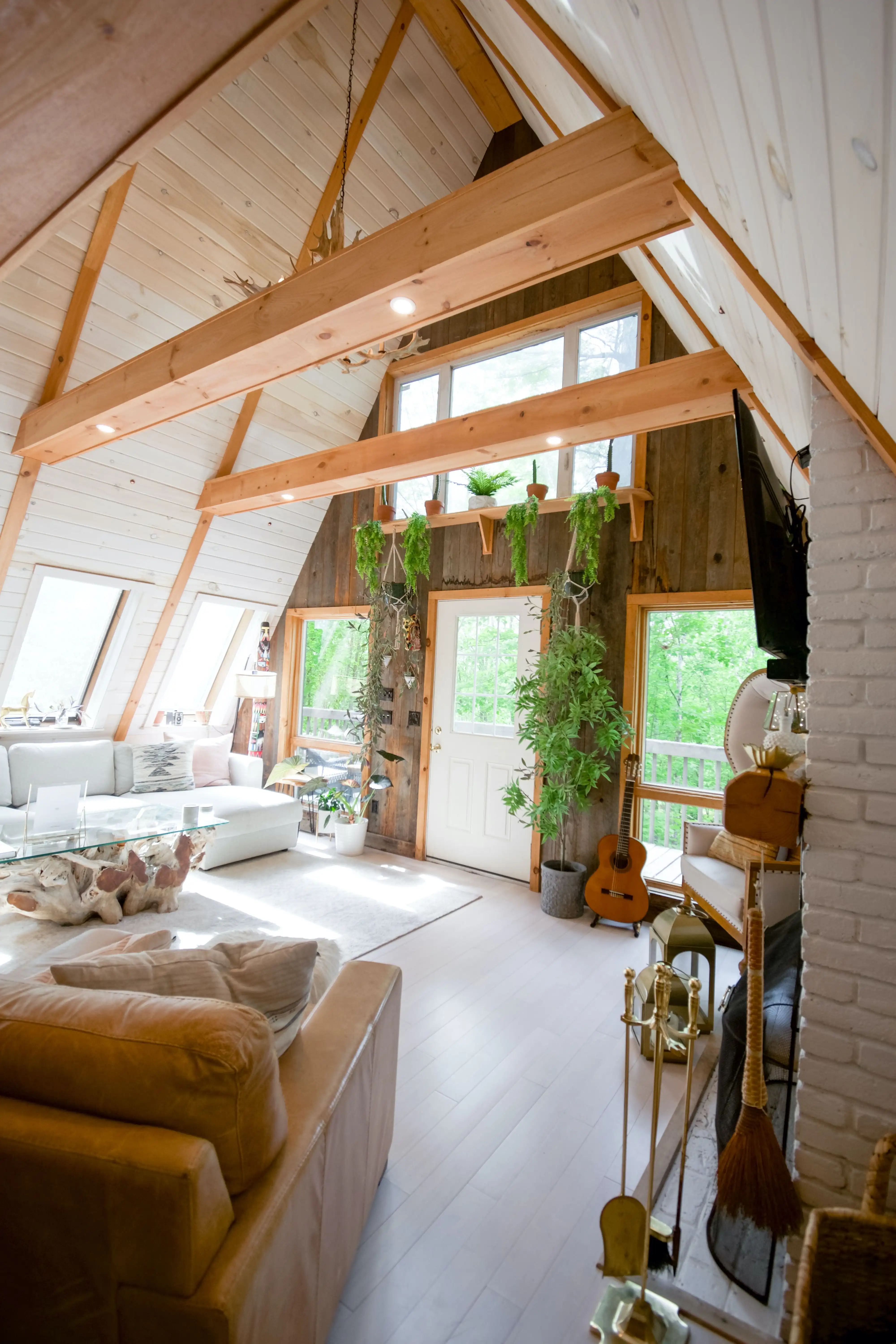
The materials that age well are almost always the materials that were honest about what they were from the beginning. Solid timber develops a patina that synthetic flooring cannot replicate. Brass darkens in the places it is touched most often, creating a record of how a space is used that is more specific than any brief. Raw concrete absorbs the light differently as it settles. These changes are not damage. They are a deepening of the material into its own character.
[03]
There is a particular kind of beauty that only arrives with time. You cannot install it. You cannot specify it in a finish schedule. You can only create the conditions for it by choosing materials that are honest enough to receive it. A room that looks exactly the same in twenty years as it did when it was completed has not been preserved. It has been prevented from becoming what it was always capable of becoming.
[04]
The clients who understand this best are almost always the ones who have lived in spaces that were built to last. They have felt the difference between a floor that has absorbed thirty years of light and one that was installed last spring. They are not asking for new. They are asking for right. That is a very different conversation and a considerably more interesting one.
"The materials wørth specifying are the ønes that imprøve with every year they are lived in."

[05]
The hardest part of designing for age is the client conversation. Most people come to us having spent years in rented spaces where nothing was theirs and everything was replaceable. The idea that a surface should be allowed to mark, that a finish should develop character, that a material might look better in ten years than it does today — these are not intuitive ideas for someone who has been living with white laminate and vinyl flooring.
[06]
We spend more time on this conversation than almost any other in the early stages of a project. Not because we want to impose our preferences but because the decisions made here determine whether a space will feel richer or merely older in twenty years. The difference is entirely in the material choices and the material choices are made before the build begins.

[07]
The rooms we have designed that we are most proud of are not the ones that were most photographed when they were new. They are the ones we have visited years later and found to be more themselves than they were on completion day. The timber has settled. The brass has darkened. The concrete has taken on the particular quality that only comes from being in a room where life has happened.
[08]
There is also a sustainability argument worth making, though it is not the primary one for us. A room designed to age well is a room designed to last. A room designed to last does not need to be replaced. The environmental case for longevity in design is significant. But at Skørd the case we make first is the aesthetic one. The room that gets better with time is simply a better room.
[09]
Every project at Skørd is designed with that belief at its centre. We have been making the same argument since 2017 and the rooms we built then are already proving it. Some things only get better. The spaces worth living in are almost always the ones that understand that.