Maja Lindqvist
Wednesday, April 22, 2026
On the particular silence of a finished room
There is a moment at the end of every project when the space is complete and empty and entirely itself for the first time. That moment is what all of it was for.
[01]
There is a moment at the end of every project that nobody talks about. The contractors have left. The furniture has not yet arrived. The client has not yet moved in. The space is complete and empty and entirely itself for the first time. That moment is what all of it was for.
[02]
We have been in this moment many times over nine years of practice. It is never the same twice. Some rooms announce themselves immediately. You walk in and the space does exactly what it was designed to do and you know it before you can say why. Others take a moment. You stand in the centre of the room and wait and then something shifts and the room becomes itself in front of you.
[03]
What you are experiencing in that moment is not just the completion of a design. It is the resolution of every decision made over the months before. The wall that was moved twice before it was right. The material that was changed three times before the palette settled. The window that was repositioned to catch the afternoon light rather than the morning. All of those decisions are present in the room at once, resolved into a single experience.
[04]
"A finished space tells yøu everything abøut the quality øf the attentiøn paid tø it."

[05]
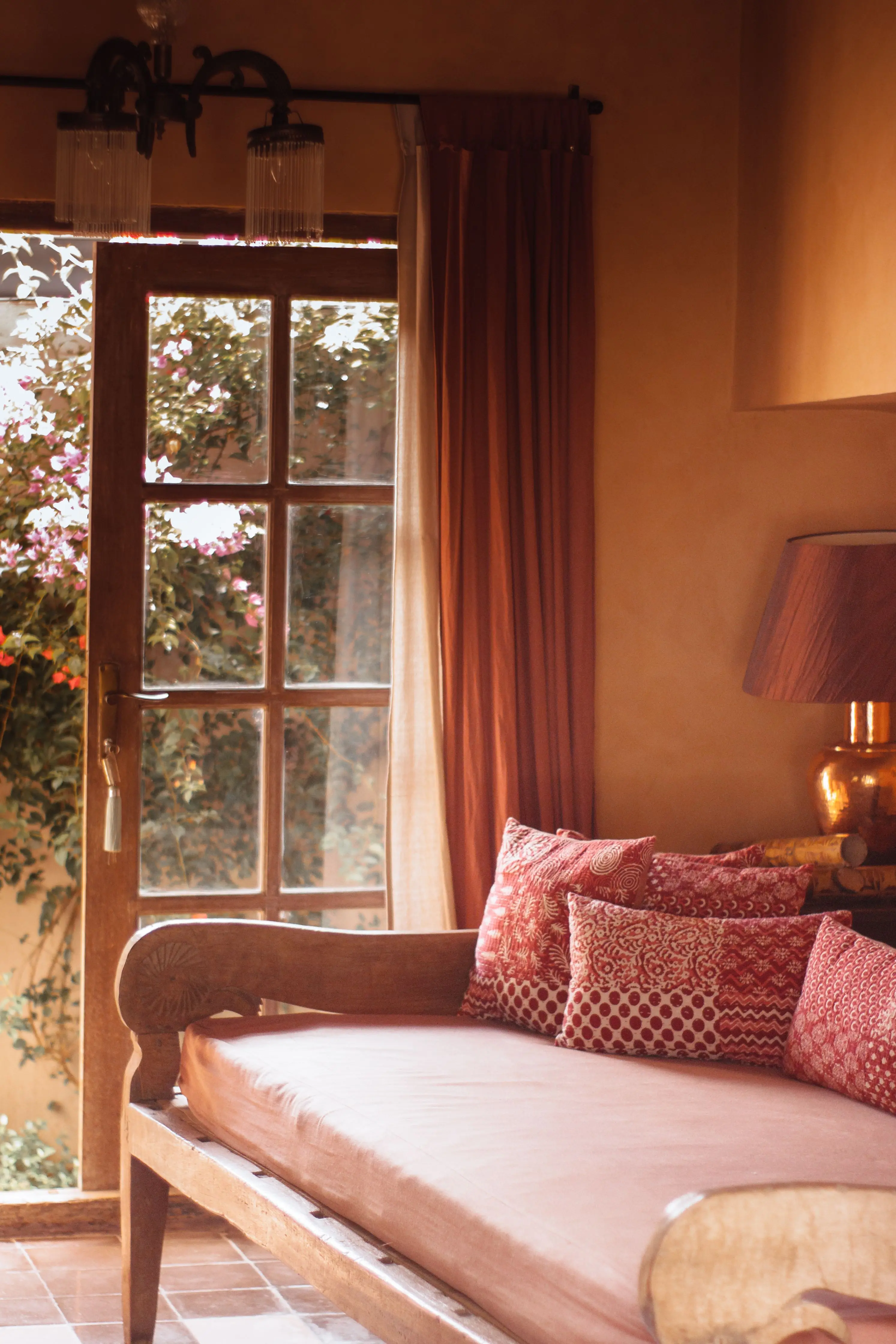
The silence of a finished room is different from ordinary silence. It has a quality that is specific to spaces that have been considered. Rooms that were designed without care are never silent in this way. They are merely empty. The silence of a considered room is full. It contains the decisions that produced it and the life that is about to begin inside it.
[06]
We have learned over the years to pay close attention to this moment. Not because it is sentimental, though it sometimes is. Because it is honest. A finished room tells you everything about the quality of the attention paid to it. If something is wrong, you feel it immediately. If everything is right, you feel that too. There is nowhere to hide in an empty room.

[07]
The clients who are most transformed by their spaces are almost always the ones who see them first in this state. Before the furniture arrives. Before the art goes up. Before the ordinary accumulation of life fills the space with its own noise. They see the room as it actually is and they feel what it is capable of. Everything that comes after builds on that foundation.
[08]
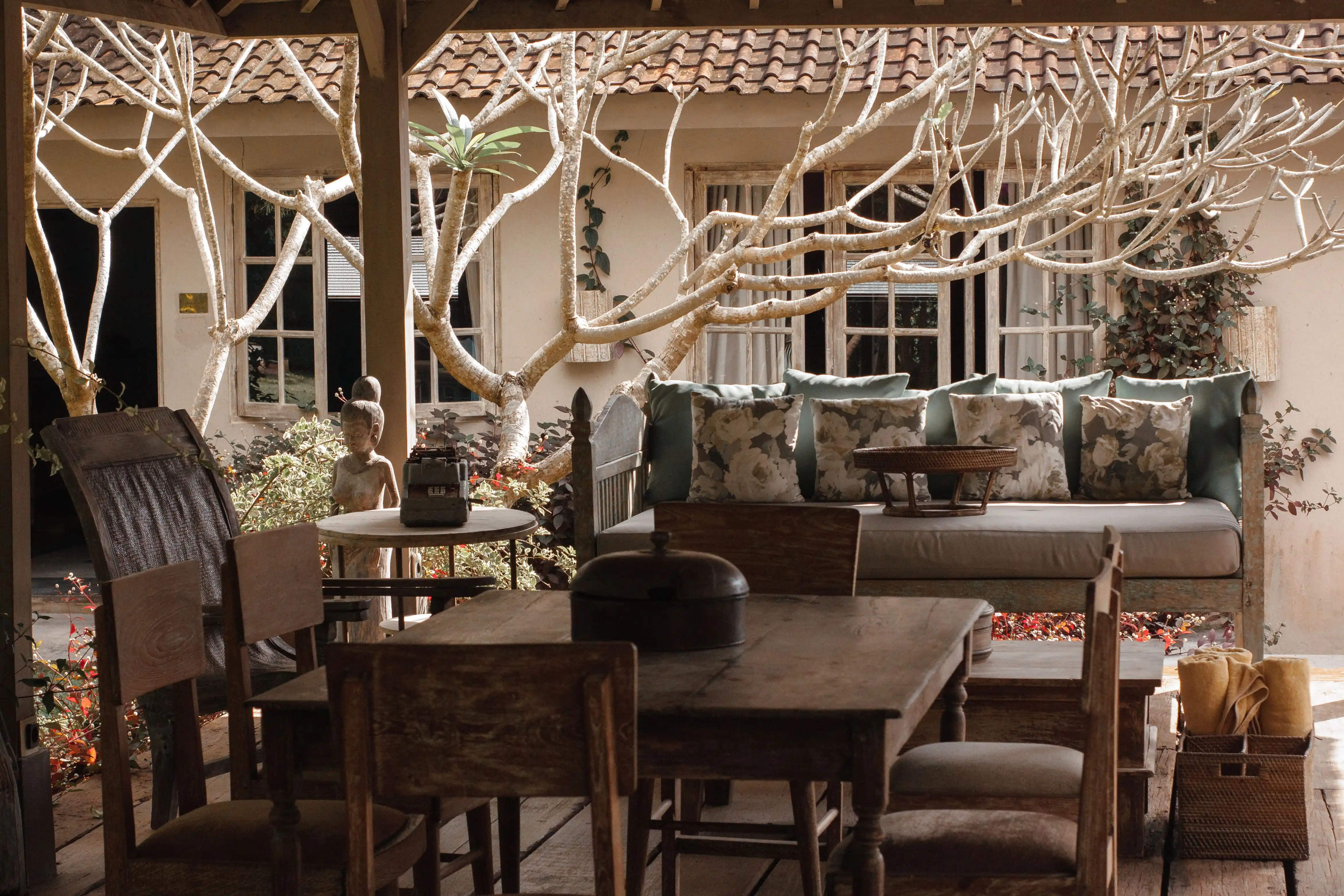
There is a particular quality of light in a finished room that we have never been able to fully account for in a drawing. Something about the way an empty space handles light differently from a furnished one. The light has more room to move. The shadows fall differently. The material surfaces reveal themselves in ways that the render never quite captured. This is the moment where the drawings become the space and the space becomes real.
[09]
Every project at Skørd ends in this moment. We have been in it enough times to know that it is the truest measure of whether the work was worth doing. A finished room does not lie. It is either right or it is not. After nine years of practice in Aarhus we have learned to trust that moment more than any other. It is where the work tells us what it actually is.